Do You Need Council Consent to Remove a Tree in Tauranga?
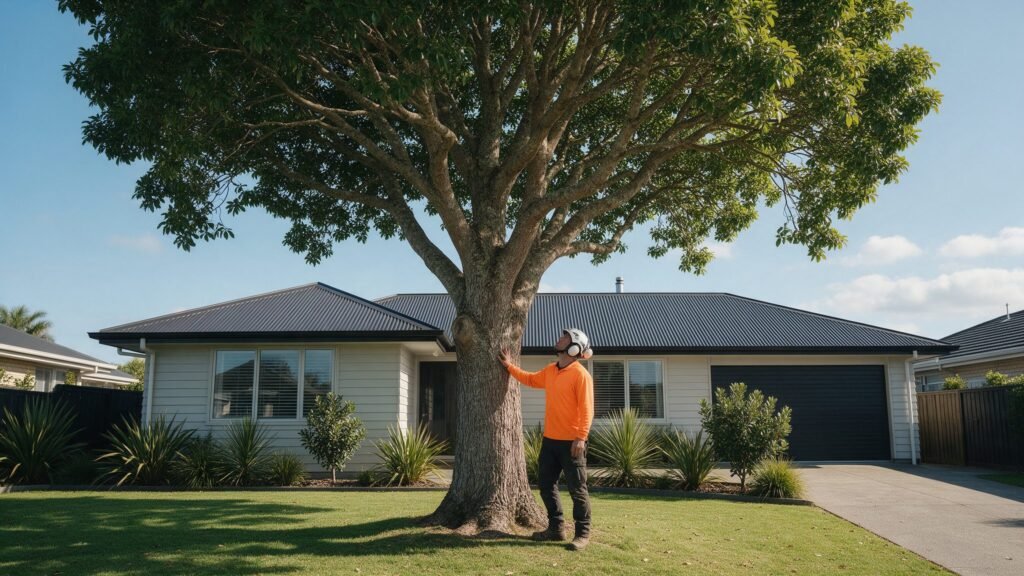
Are you wondering, do I need council consent to remove a tree Tauranga homeowners can legally remove from their own section? For many ordinary trees on private residential land, the answer is no. But there are important exceptions.
Tauranga City Council protects certain trees because of their environmental, historic or landscape value. A tree can also have protection through a resource consent condition, covenant or consent notice on your property title.
So before you book tree removal in Tauranga, it pays to spend a few minutes checking what applies to your property. Because finding out after the chainsaw starts is a seriously bad time to discover your tree was protected.
The Short Answer for Most Tauranga Properties
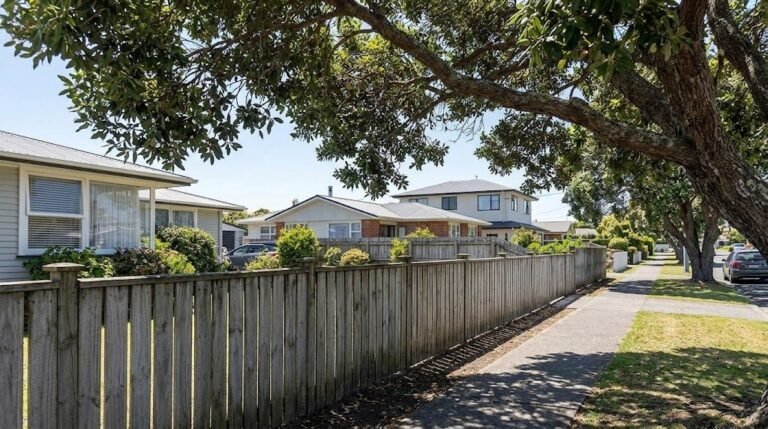
For standard suburban sections across Bethlehem, Papamoa or Welcome Bay, tree removal is usually straightforward. You generally do not need council permission to cut down an everyday exotic tree or a tidy-up job in your back garden.
The council dropped blanket protections years ago, meaning your average suburban tree is fair game. But do not start up the chainsaw just yet. If your tree falls into a special category, cutting it down without resource consent is a quick way to land a heavy fine.
Which Trees Are Still Protected in Tauranga
Tauranga City Council keeps tight rules on specific trees, locations and environments. You need resource consent if your tree falls under any of these categories:
Notable Trees: Trees listed individually in the Tauranga City Plan schedule of notable or protected trees.
Council Land: Any tree sitting on council reserves, road reserves, or the grass berm outside your front fence.
Heritage & Cultural Sites: Trees located inside a designated heritage area or on a site of cultural significance.
Significant Ecological Areas: Indigenous vegetation located inside identified ecological overlays or coastal margins.
Waterway Buffers: Vegetation growing near streams, rivers or coastal wetlands. These fall under Bay of Plenty Regional Council rules under the Regional Water and Land Plan.
Property Covenants: Trees protected by a private covenant, a consent notice or a subdivision condition on your record of title.
How to Check Your Own Address In About Five Minutes
Do you want to check if your tree is protected? It takes just 5 minutes. Follow these simple steps before starting any work:
- Check the Council Map: Open the Tauranga City Council online mapping viewer and turn on the planning overlays for your address.
- Search the City Plan: Look up Chapter 17, Appendix 17.1 of the Tauranga City Plan to see if your address lists a notable tree.
- Review Your Title: Check your property record of title for any registered covenants or consent notices left over from subdivision.
- Verify Boundaries: Double-check that the tree trunk sits entirely inside your boundary line and not on the council berm.
- Call the Duty Planner: If anything feels confusing, ring the council duty planner. It is a free call and they will confirm your status in minutes.
Five Rules That Catch People Out
Even smart property owners get caught out by these sneaky rules:
- Root Zone Damage: Earthworks, trenching or paving inside the root dripline of a protected tree can require consent..
- Native Clearing: Clearing a wide patch of native bush is treated very differently from taking down one exotic pine.
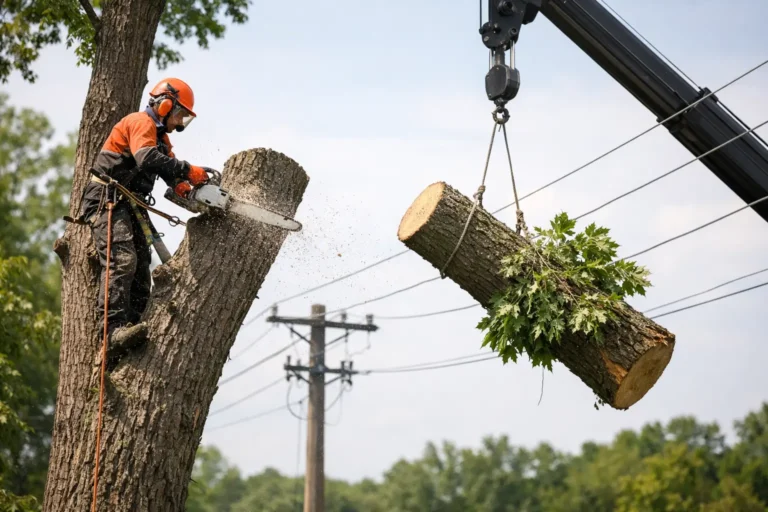
- Power Line Rules: Work near overhead power lines has strict clearance distances set by power companies. They are completely separate from council rules.
- Shared Titles: Cross-lease, unit title and body corporate properties require formal agreement from other co-owners before major tree removal.
- Subdivision Commitments: Trees planted as a specific requirement for a subdivision consent often must remain for a set period.
If you want to keep a tree but need to manage its size, opt for a crown reduction instead of removal. It can reduce wind risk while keeping your yard bright.
What Happens If a Protected Tree is Removed Without Consent
Ignoring the rules can get expensive fast. Tauranga City Council can issue heavy fines, formal abatement notices or force you to replant mature specimens at your own expense.
Beyond council penalties, removing a protected tree creates massive issues when you sell your home. Buyers’ lawyers check planning records and unapproved tree removal can stall settlement. If a contractor claims consent is not needed, always get that confirmation in writing before work begins.
How We Handle the Consent Side For You
You don’t have to figure out the planning side alone. At Prime Tree Services, we can start by looking at the tree and the property with you. That can include:
- Free Site Check: We pop over for an honest assessment to see if your tree is likely protected.
- Arborist Reports: We supply qualified arborist reports if the council requires formal documentation.
- Application Support: We help prepare your resource consent paperwork to avoid unnecessary delays.
- Full Transparency: We never remove a protected tree without explicit council approval.
After a tree comes down, completing the job with stump grinding keeps your lawn smooth and ready for new planting. For larger block transformations, full section and bush clearing gets your site construction-ready.
Frequently Asked Questions
Can I remove a tree on my own property in Tauranga without permission?
Yes, in most cases you can remove ordinary trees on private land without council permission. However, if the tree is listed as a notable tree, protected by a land covenant or located in an ecological overlay, you must obtain resource consent first.
How do I find out if my tree is a notable tree?
You can check the Tauranga City Plan schedule of notable trees in Appendix 17.1 online. You can also search your address using the council’s interactive map. Alternatively, call the council duty planner to check your property details.
Do I need consent just to trim a protected tree?
It depends on the extent of the work. Minor maintenance or deadwooding often does not require consent. But heavy pruning or structural alterations to a protected tree usually require formal council approval before work starts.
Who owns a tree that grows on the boundary line?
A tree with a trunk straddling the boundary line is legally co-owned by both property owners. Both parties must agree on major maintenance or removal. Plus, neither owner can remove the tree unilaterally without the other’s permission.
How long does a resource consent for tree work take?
Standard non-notified resource consent applications usually take up to 20 working days to process through Tauranga City Council. You need to ensure all arborist reports and site plans are fully completed at submission.
Not Sure If Your Tree Is Protected? Let’s Check Before You Cut
Prime Tree Services can inspect the tree and help you understand whether it may be protected. We will assess the tree and its location during a free, no-obligation site visit and explain what your next step should be.
Got a tree you are unsure about? Call 0800 123 113 or send us your property address.
This article provides general information only and should not be considered legal or planning advice. Always confirm the requirements with Tauranga City Council before removing a tree.