Hedge Trimming for Tidy, Healthy Boundaries
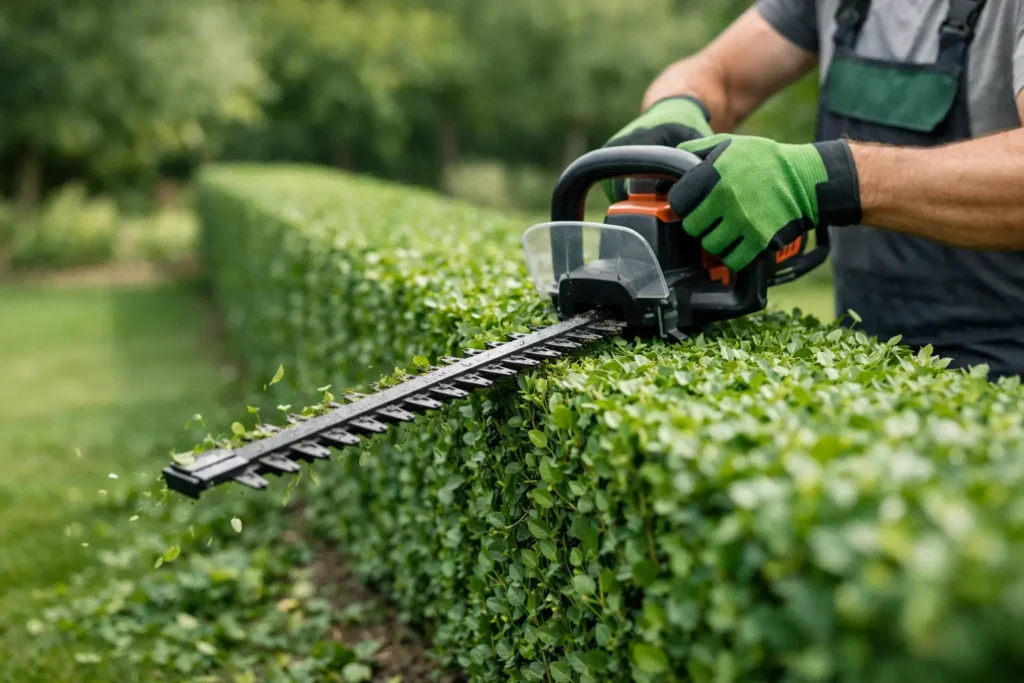
A hedge can go from a neat boundary to a heavy, light-blocking problem faster than many property owners expect. Regular hedge trimming keeps growth under control, protects the shape of the plants, and stops a routine garden job from becoming a difficult removal or clearance project.
For homes, rentals, commercial sites, and lifestyle blocks around Tauranga and the Bay of Plenty, a well-maintained hedge does more than look tidy. It can provide privacy, soften road noise, define a boundary, screen service areas, and make an outdoor space feel more usable. The catch is that hedges need the right kind of cutting at the right time. Taking too much off, cutting into bare old wood, or allowing growth to get too tall can leave a hedge thin, uneven, or struggling to recover.
What Proper Hedge Trimming Achieves
Good hedge work is controlled rather than rushed. The goal is usually to retain a healthy, dense screen while reducing bulk, restoring a clean line, or bringing the hedge back to a manageable height and width.
Light, regular trims encourage many common hedge plants to branch and fill out. That creates the thick green coverage most people want from a boundary hedge. When the outside is left to grow unchecked for years, the plant often becomes dense only at the surface. The interior receives less sunlight, lower branches weaken, and cutting it hard can expose bare sections that may take a long time to cover again.
A professional trim can also improve practical access around the property. Hedges commonly creep over paths, driveways, gates, fences, and outdoor living areas. On a tighter Tauranga section, even a small amount of overgrowth can make parking awkward, block sightlines, or trap moisture against a fence. Cutting it back properly gives the space around it room to work again.
There is also a difference between a tidy-up and a reduction. A tidy-up removes fresh outer growth and sharpens the outline. A reduction lowers or narrows an overgrown hedge, often in stages, to avoid stressing the plants or leaving an unattractive bare face. The best approach depends on the species, its condition, the time of year, and how far it needs to come back.
When Does a Hedge Need Attention?
The right timing depends on the type of hedge and the result you need, but there are clear signs that it is time to arrange work. If branches are hanging over a driveway, crowding a path, touching buildings, blocking windows, or growing into overhead lines, do not wait for the next general garden day.
Loss of shape is another common trigger. Once the top becomes much wider than the base, the lower growth can be shaded out. A hedge is generally healthier when it is slightly narrower at the top than at the bottom, allowing light to reach the lower foliage. This subtle taper also creates a stronger, cleaner-looking line from the street or garden.
Look for dead patches, vines growing through the hedge, split limbs, pest damage, or branches rubbing on fences and roofs. These do not always mean the hedge needs removing, but they are worth assessing before cutting begins. Sometimes the right solution is selective pruning, a staged reduction, or removal of a few problem plants followed by replacement planting.
For many fast-growing hedges, one or two maintenance visits each year are enough to avoid major work. Others may need more frequent light cutting through the growing season. A neglected boundary that has gained several feet of growth needs a more considered plan than a hedge that has been maintained consistently.
Do Not Cut Blindly Around Services
Power lines, communication cables, exterior lights, and service connections can be concealed by dense foliage. So can fences, retaining walls, and garden structures that are easily damaged by falling cuttings or heavy equipment.
Before any larger hedge reduction, the site should be checked for these hazards, along with access routes and safe places to lower or stack green waste. Work near live overhead services requires particular care. A hedge is still vegetation, but the job can quickly become technical when services, height, traffic, or confined access are involved.
The Best Shape Is Not Always a Perfect Box
Straight, crisp faces suit formal hedges around modern homes, pools, and commercial frontages. But a formal finish is not the only good finish. Some hedges are better managed with a softer natural shape, especially where flowering, screening, wind protection, or long-term plant health matters more than a sharp geometric line.
The plant species matters. Small-leaved, vigorous hedges often tolerate regular clipping well. Other plants respond poorly to being cut back into old leafless stems. A tall conifer hedge may offer excellent privacy, for example, but a hard cut into brown interior growth can leave permanent gaps. Broadleaf hedges may be more forgiving, but can still suffer if too much foliage is removed at once in hot, dry, or stressful conditions.
This is why the instruction “take it back as far as possible” can produce disappointing results. The better question is how much can be removed while keeping the hedge healthy and achieving a usable boundary. Sometimes that means a staged reduction across more than one visit. It can feel slower, but it often gives a far better result than turning a privacy screen into a row of bare stems.
Hedge Trimming on Difficult Properties
A hedge along a level lawn is one thing. A tall boundary on a slope, behind a retaining wall, beside a pool, or in a narrow side passage is another. These sites need more planning because ladders, falling material, uneven ground, and limited room to maneuver all affect how the work is done.
On difficult-access properties, the crew may need to work in sections, control where cut branches fall, and carry material out by hand before chipping or loading it. This takes more time than simply running a trimmer along an open boundary, but it protects lawns, paving, fences, gardens, and neighboring property.
Large, woody hedges can also contain branches too heavy for a standard trimming approach. Those stems may need to be pruned out individually and lowered in a controlled way. If the hedge has become a mix of shrubs, self-seeded trees, vines, and dead material, it may be better treated as a vegetation-clearing job rather than a basic maintenance trim.
What a Professional Visit Should Include
A proper assessment starts with what you want the hedge to do: create privacy, improve sunlight, clear an accessway, prepare for a sale, or simply make ongoing maintenance easier. From there, the condition of the hedge and the site determine the recommended scope of work.
The plan should cover the desired height and width, safe access, nearby structures and services, how green waste will be managed, and whether the hedge can be reduced in one visit or should be brought back gradually. A clear written quote helps avoid uncertainty about what is being cut, what material is being removed, and what the finished area will look like.
At Prime Tree Services, hedge jobs are planned around the property rather than treated as one-size-fits-all cutting. The team can manage trimming, heavier reductions, hedge removal, chipping, and green-waste removal where required, with care taken to leave the site clean and tidy once the work is complete.
Maintaining the Result Between Visits
Once a hedge has been restored, small actions can extend the life of the professional work. Keep climbing vines under control, avoid piling soil or mulch against the stems, and do not let sprinkler systems constantly soak one section of the hedge. If you notice dead areas or a sudden decline in growth, deal with it early rather than clipping around the problem.
Homeowners who are comfortable using basic equipment can usually manage low, accessible fresh growth. Leave tall work, hard reductions, awkward terrain, and jobs near services to an experienced crew. The risk is not only injury – poor cuts can change the look and health of a hedge for years.
A well-kept hedge should make the property easier to enjoy, not create another weekend problem waiting at the boundary. With sensible timing, careful cutting, and a plan suited to the plants and site, it can stay dense, tidy, and manageable for the long haul.